2. Da Nang to Auction 64 Land Lots with Starting Price Over VND 330 Billion.

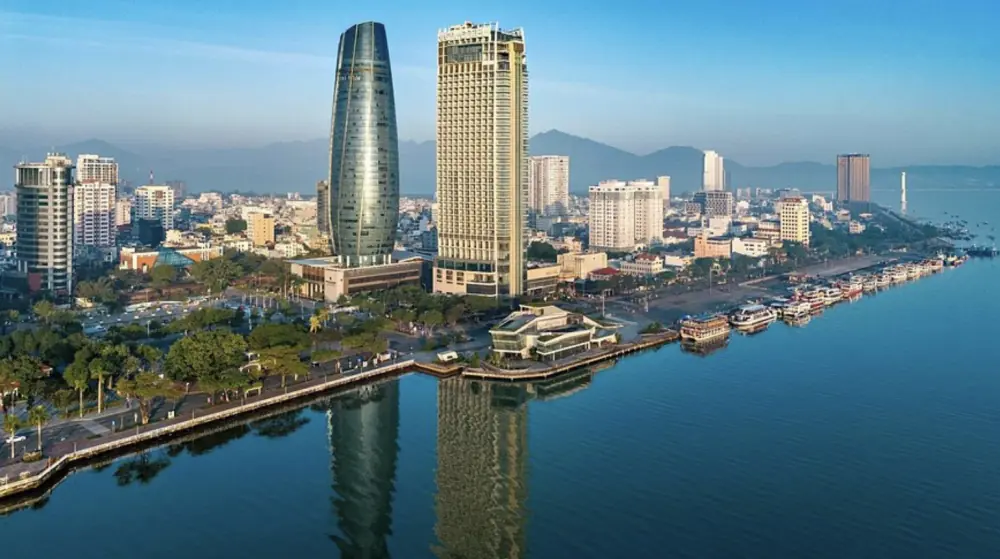
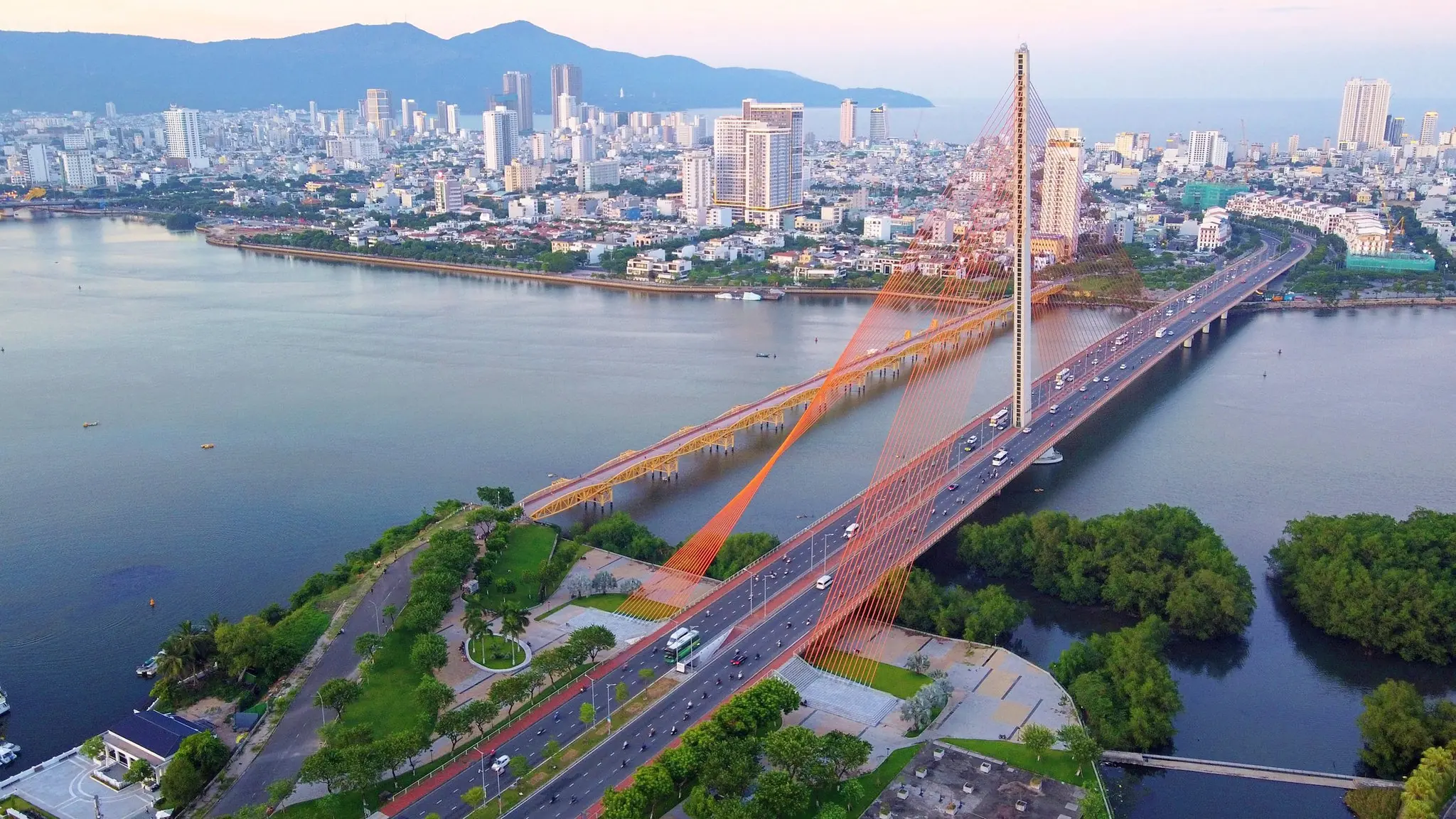
Da Nang has announced plans to auction 64 residential land lots with a combined minimum starting price exceeding VND 330 billion, or about USD 13 million. The parcels cover more than 12,280 square meters and are fully cleared with completed infrastructure and long term land use rights. The lots are distributed across six wards, spanning central districts, coastal zones, and the northwest of the city. Ngũ Hành Sơn ward accounts for the largest share with 27 lots, including sites along Minh Mạng Street, where starting prices reach over VND 74.8 million per square meter.
Starting prices vary significantly by location, reflecting market segmentation. Central and coastal areas such as Sơn Trà record prices from around VND 40 million to VND 71 million per square meter, while outlying resettlement areas like Khái Tây 2, Hải Vân, and Liên Chiểu range from approximately VND 9.9 million to nearly VND 24 million. The auctions come amid signs of market recovery, with land prices rising over 10 percent year on year, improved transaction activity, and expanding housing supply supporting continued growth expectations.
Source: vnexpress.net
3. Da Nang Attracts Over VND 6 Trillion in FDI in One Month, Up 64-Fold Year-on-Year.
-
-
Da Nang recorded a sharp surge in foreign direct investment inflows in January 2026, attracting more than VND 6,000 billion, equivalent to approximately USD 250 million, marking a 64 fold increase year on year. The strong performance reflected growing investor confidence and came from a diversified mix of newly licensed projects, capital expansions, and foreign equity contributions. Investment focused on priority sectors aligned with the city’s development strategy, including manufacturing and processing, high tech production, and trade and logistics services, reinforcing Da Nang’s industrial and export oriented growth base.
Several factors drove this surge, including continued improvements in industrial park and high tech park infrastructure, early year investment promotion efforts, and the city’s strategic central Vietnam location with integrated seaport and airport logistics. Authorities view the January results as a positive signal for 2026 and reaffirmed their focus on attracting technology intensive projects, research and development centers, and high value manufacturing, positioning Da Nang as an emerging industrial and innovation hub in Central Vietnam.
Source: etime.danviet.vn
4. One of the Big 4 banks has requested a suspension of corporate real estate loan applications.
-
-

(BIDV), one of Vietnam’s Big 4 banks, has instructed its branches to temporarily suspend new exposure to corporate real estate projects and business plans starting February 11. The directive follows a review of outstanding real estate loan balances and branch-level disbursement demand. It aims to align 2026 real estate credit growth with the overall system target set by the Ngân hàng Nhà nước Việt Nam, ensuring the sector does not expand faster than general credit growth. Branches are required to halt submissions of new corporate real estate proposals to the head office until further notice.
According to a bank credit officer, the measure primarily restricts new capital inflows into corporate real estate activities and does not affect previously disbursed loans. Individual homebuyers can still access mortgages as usual. Previously, the State Bank reported 2025 credit growth reached 19.1%, exceeding the 16% target and pushing Vietnam’s credit-to-GDP ratio to 146%, the highest among lower-middle-income countries. This year, credit “room” allocations will continue to be assigned to banks, with stricter oversight of high-risk sectors, including real estate.
Source: dantri.com.vn
5. 5 New Highlights of Decree 54/2026/ND-CP Amending Regulations on Housing and Real Estate Business.
Decree 54/2026/ND-CP, issued on February 9, 2026, introduces significant amendments to regulations on housing and real estate business, particularly social housing policies. A key change expands the criteria for determining individuals who do not own a home, including cases where land-use certificates contain no housing information. The confirmation process is simplified and no longer tied to the time of application, with competent land authorities required to respond within seven days. For applicants without labor contracts, commune-level police now verify income conditions instead of local People’s Committees. The Decree also introduces a self-declaration and post-audit mechanism for income, reducing administrative procedures while maintaining income caps under existing regulations.
Additionally, the Decree standardizes procedures for selling, leasing, and lease-purchasing social housing projects outside public investment. Project information must be publicly disclosed within 30 days of groundbreaking, and applications may be submitted through multiple channels. Transparent lottery selection applies when demand exceeds supply. Investors are also allowed to prioritize selling leased units to eligible tenants before the 10-year limit.
Source: luatvietnam.vn
6. Official Issuance of Electronic Identification Codes for Real Estate and Brokers from March 1, 2026.

The Government of Vietnam has issued Decree 357/2025/NĐ-CP, effective March 1, 2026, which introduces a national electronic identification system for the real estate sector. Under this decree, every real estate property (including houses, apartments, land parcels, and built floor areas) will receive a unique alphanumeric electronic ID code to be recorded in the national housing and real estate database. This code can be up to 40 characters long and includes information such as land parcel IDs, project/construction data, and location details. The decree also requires electronic identification codes for real estate brokerage licenses. These will incorporate details like provincial codes, individual identification numbers, issuance dates, and license numbers. The system is designed to be automatically generated and linked to official records once licenses are approved. The aim of these changes is to standardize and digitalize real estate data nationwide, improving market transparency and the management of housing information.
Source: cafef.vn
-
-
As always, CVR is at your service and happy to provide help anyways we can!
Contact Us today to find the real estate investment in Da Nang that is right for You.