

CHIA SẺ:


Đăng bởi Đội Ngũ Biên Tập CVR vào March 30, 2026
Why Investors from Hanoi Are Buying in Da Nang
In recent years, Vietnam’s real estate landscape has undergone a subtle but significant shift. Investors from Hanoi are no longer focusing solely on their home market they are increasingly channeling capital into Da Nang. Once defined by tourism alone, Da Nang is now emerging as a dynamic, multi-layered investment destination that offers a compelling mix of value, growth, and lifestyle.
A Strategic Reallocation of Capital.
At the core of this trend lies a widening gap in pricing and potential. Hanoi’s property market has seen substantial appreciation, pushing values in many districts to levels where short-term upside is more limited. While it remains a key market, it is also becoming more mature.
Da Nang, by comparison, is still in a different phase of its growth cycle. Investors can access beachfront and riverside properties at relatively competitive price points, while benefiting from strong fundamentals. For many Hanoi-based buyers, this presents a strategic opportunity: reallocate capital from a mature market into one with stronger forward momentum.
Where Hanoi Investors Are Buying
A clear pattern is emerging in terms of product preference. Hanoi investors tend to focus on projects that combine strong rental potential, reputable developers, and prime locations.
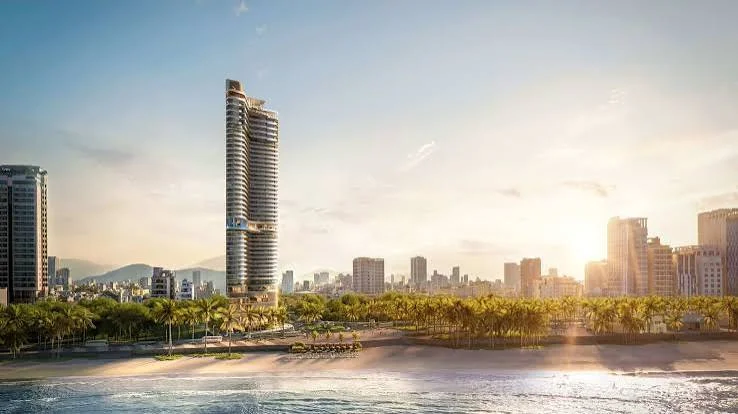
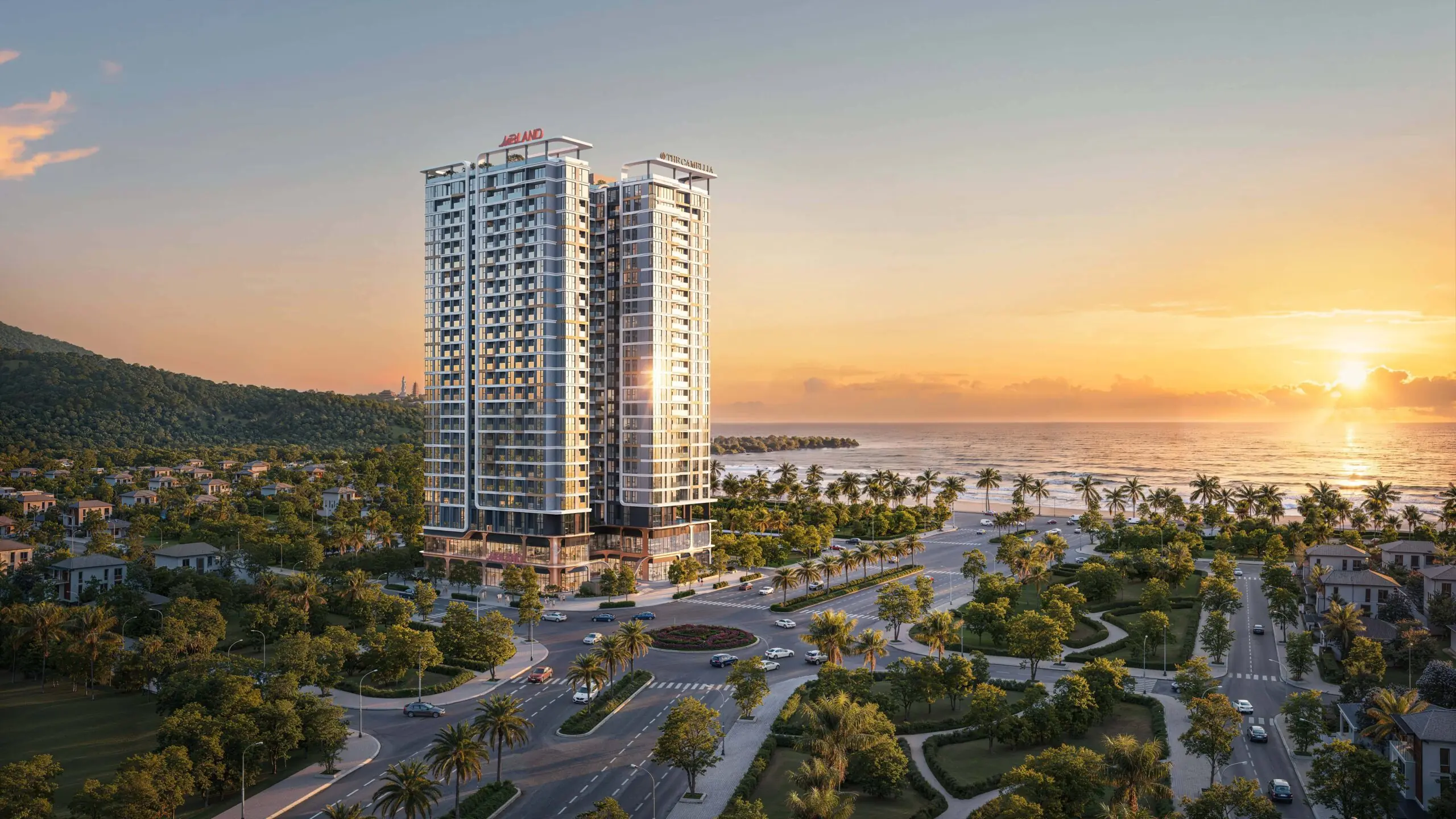
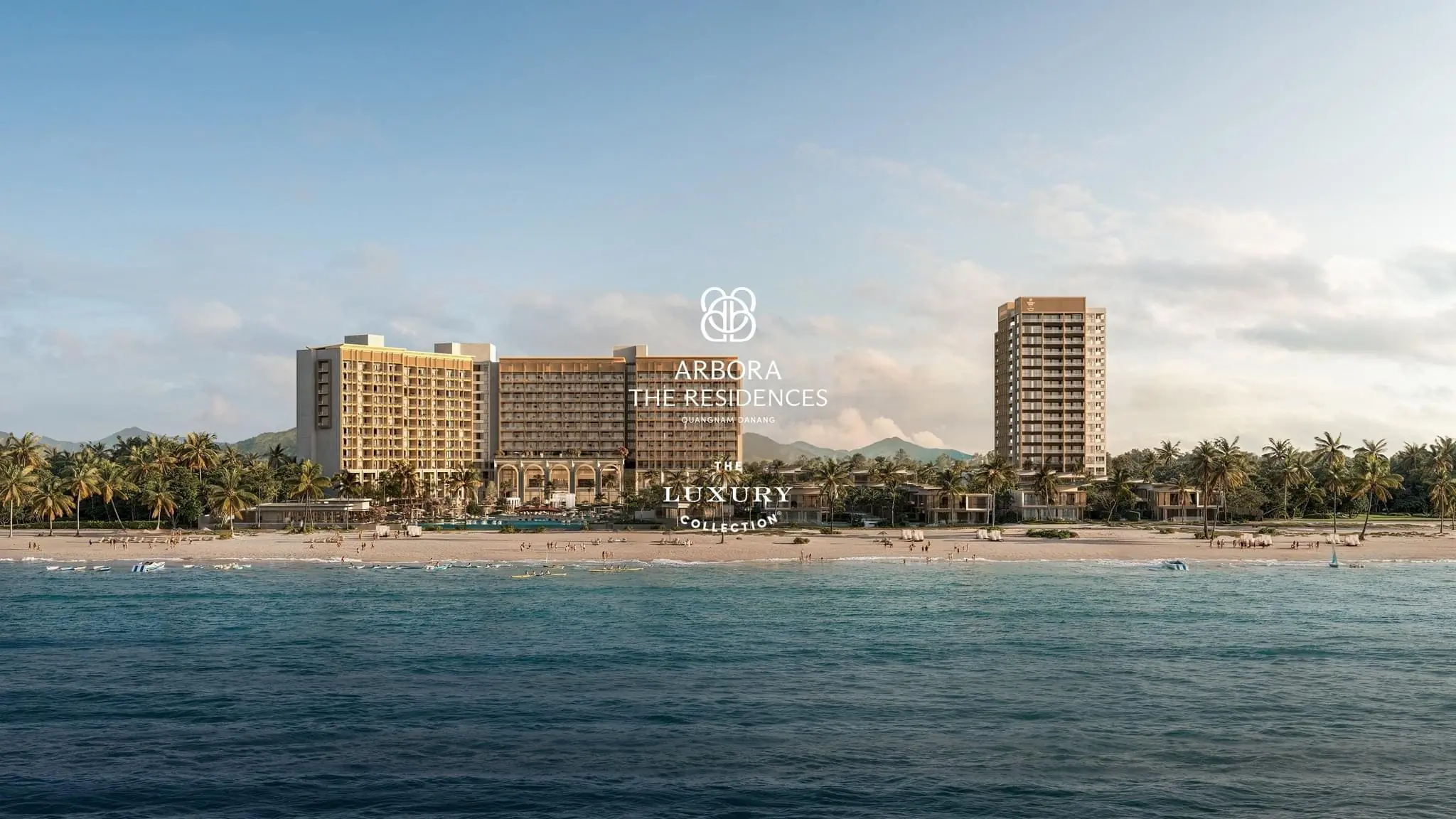
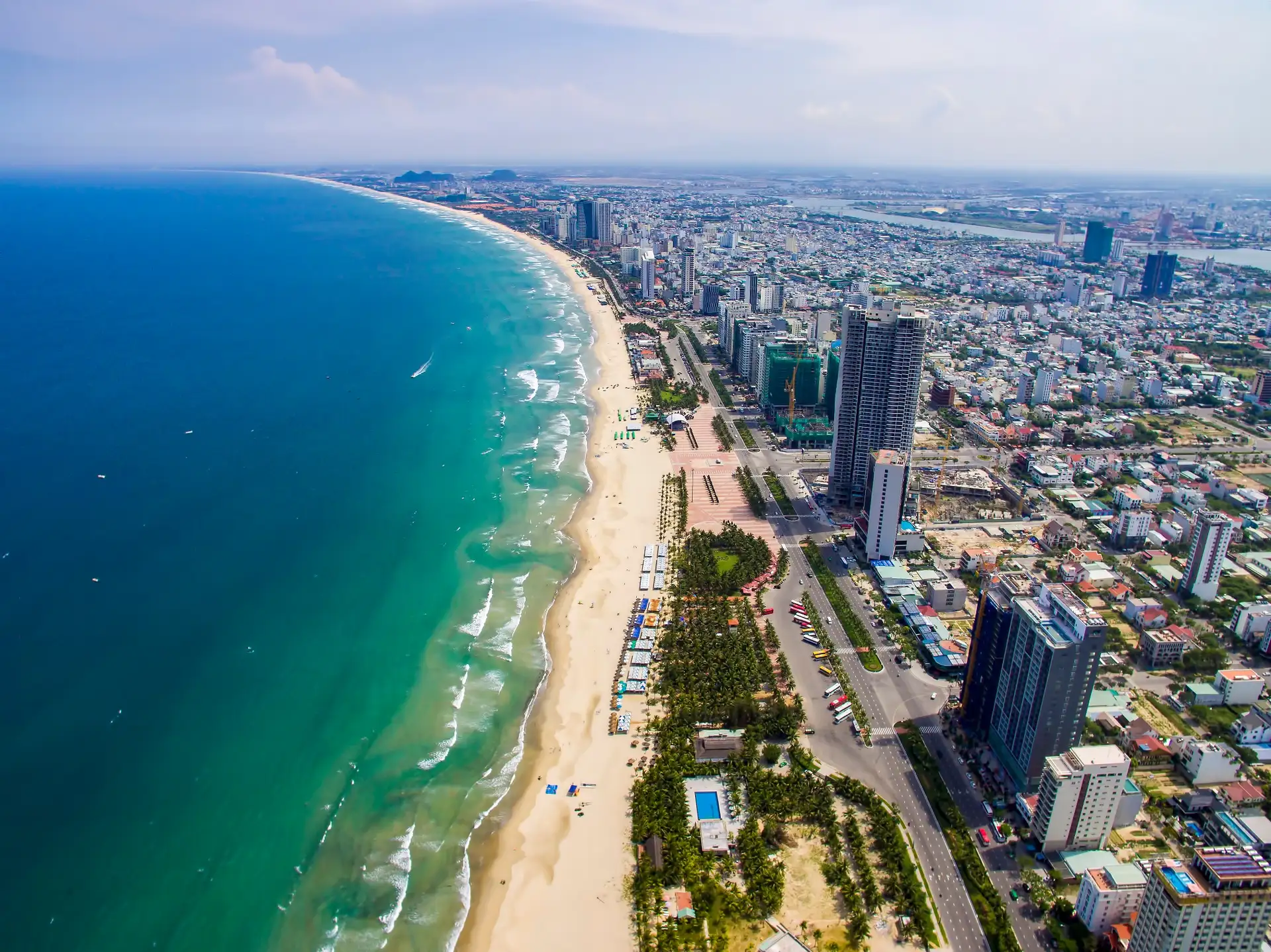
In the beachfront segment, developments along Vo Nguyen Giap such as Wyndham Soleil attract strong interest thanks to their international branding, hotel style management, and relatively accessible pricing. These units are especially popular for short-term rental strategies targeting tourists.
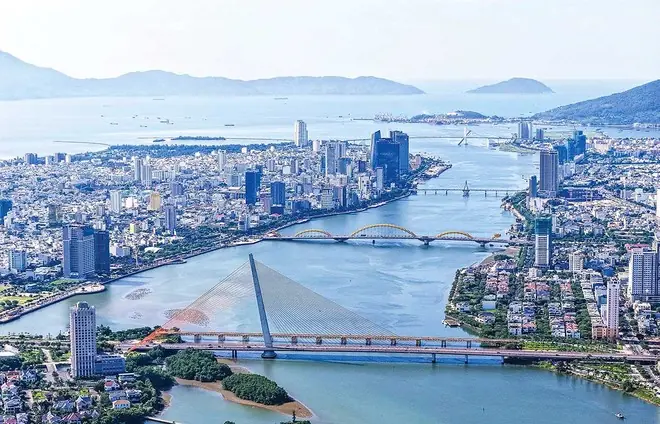
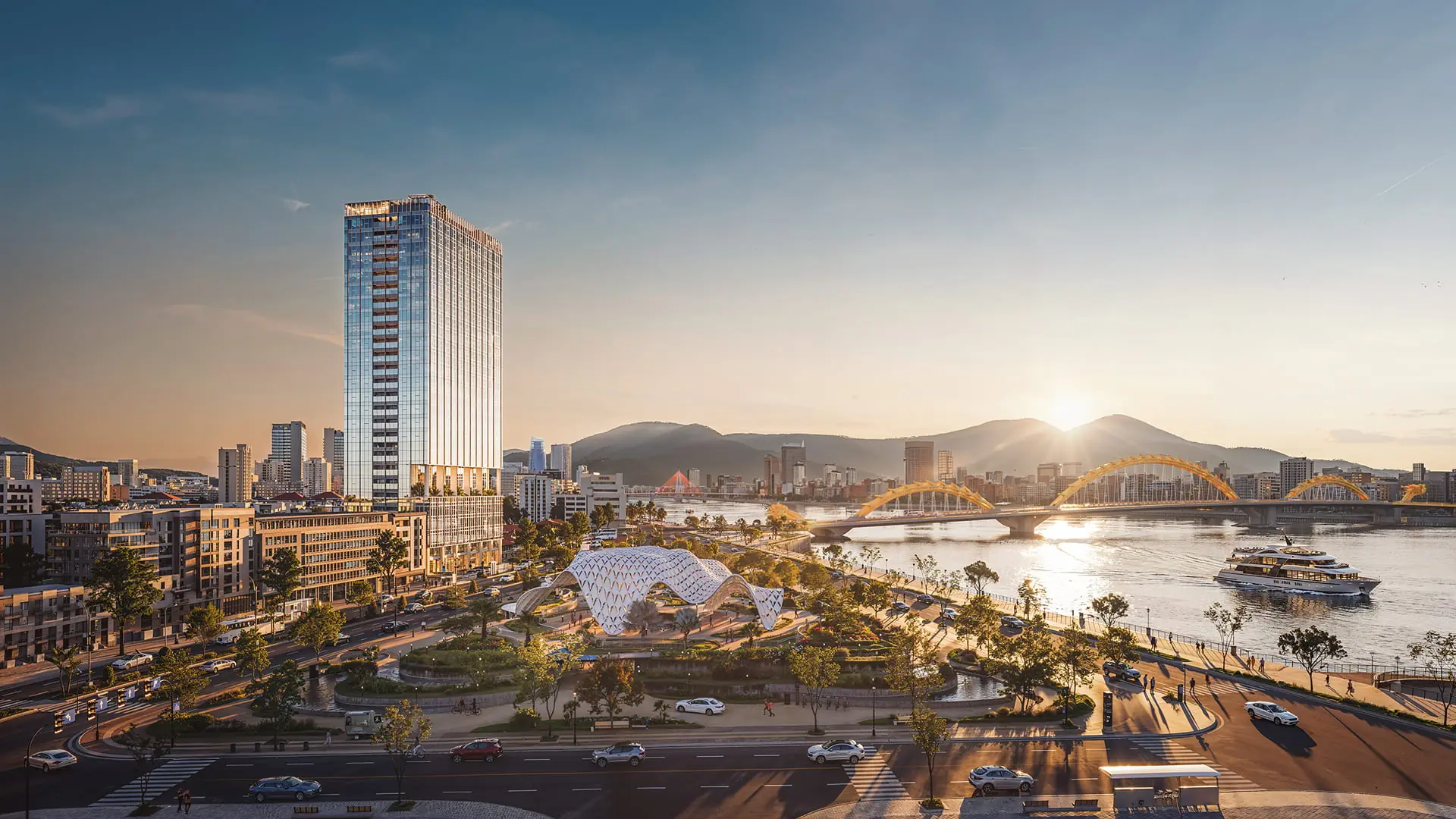
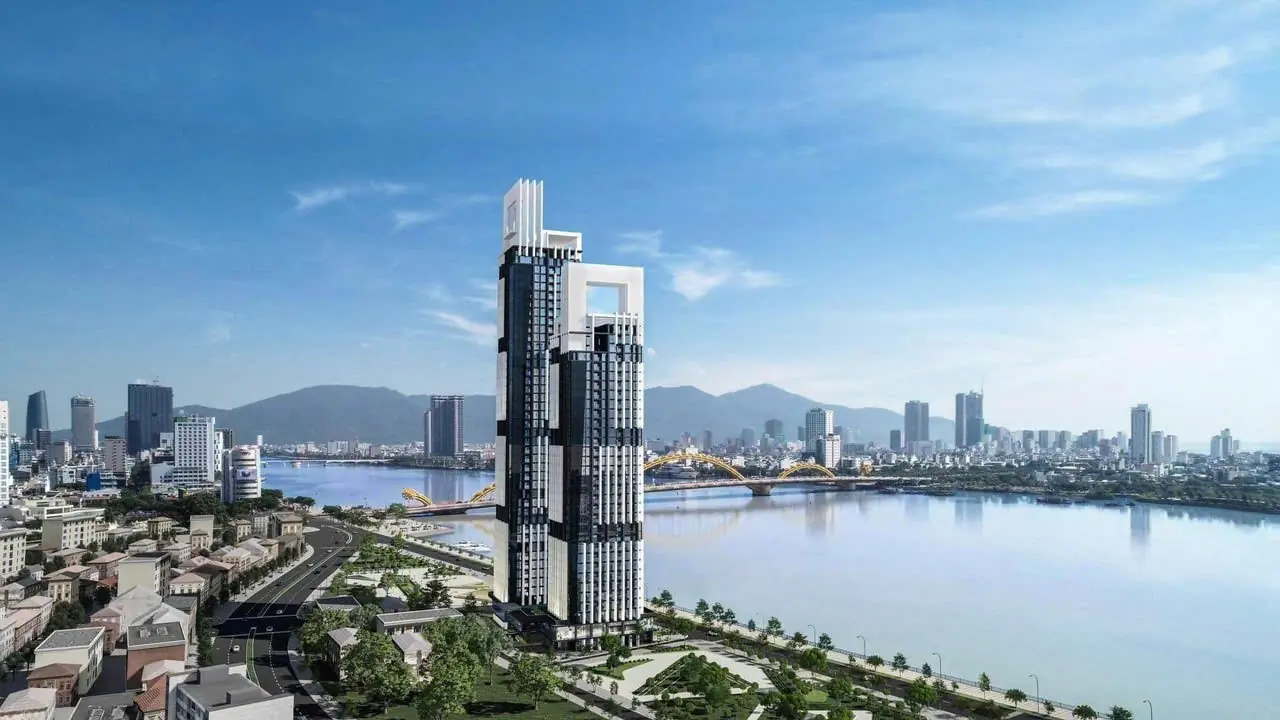
In the riverside category, projects along the Han River such as Masteri Rivera and high-end developments near Bach Dang appeal to buyers seeking long-term capital appreciation and stable tenant demand from professionals and expatriates.
Meanwhile, large-scale integrated developments in emerging districts, particularly in Lien Chieu and the northwest corridor, are gaining attention from investors with a longer investment horizon. Projects like Vinhomes Lang Van stand out due to their scale, master planning, and strong backing from leading developers.
The Rise of Yield Focused Investing.
Another defining shift is the move from speculation toward income-driven investment.
Hanoi investors are increasingly seeking assets that generate consistent returns, rather than relying solely on capital appreciation. In this regard, Da Nang stands out. Its position as one of Vietnam’s top tourism hubs creates steady demand for:
•Short-term rentals
•Serviced apartments
•Holiday homes
This enables investors to build a portfolio that delivers both regular cash flow and long-term value growth a combination that is becoming increasingly important in today’s market environment.
Infrastructure as a Growth Engine.
Da Nang’s appeal is not just about current demand-it is deeply tied to its future trajectory.
The city is undergoing a transformation driven by major infrastructure and economic initiatives, including:
•Lien Chieu Deep-Sea Port
•The International Financial Center
•The planned Free Trade Zone
•Expansion of international air routes.
These developments are reshaping Da Nang into a regional hub for logistics, finance, and global connectivity. For real estate investors, such structural upgrades are critical—they underpin long-term demand, attract skilled professionals, and elevate the city’s overall economic profile.
Lifestyle: A Powerful Investment Driver.
Beyond financial metrics, lifestyle has become a key factor influencing investment decisions.
Compared to the density and pace of Hanoi, Da Nang offers a more balanced environment—coastal living, cleaner air, and a more relaxed rhythm of life. This shift in perspective is driving demand for:
•Second homes
•Retirement properties
•Long-stay residences
•Remote working bases
For many investors, purchasing in Da Nang is no longer purely transactional. It reflects a broader aspiration: to invest in both wealth and quality of life.
Entering a More Mature Market Phase.
The growing presence of Hanoi investors is also a signal of increasing market confidence.
Da Nang is transitioning from a tourism-led property market into a more diversified and resilient ecosystem. Demand is becoming more end-user driven, while supply is evolving to include:
•High-end apartments
•Branded residences
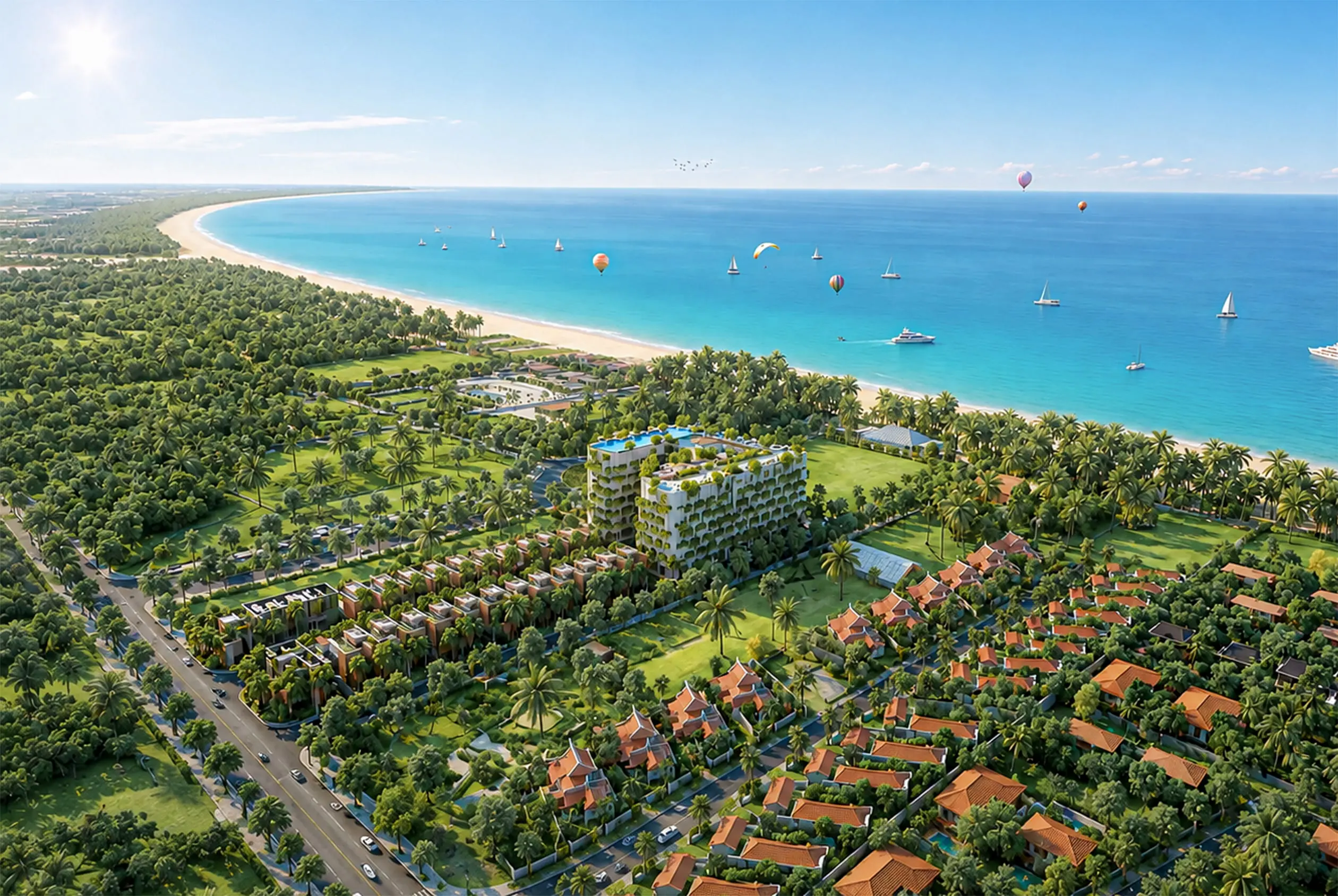
•Integrated coastal developments
This marks a shift toward a more stable and sustainable growth phase—one that is less dependent on speculation and more grounded in real demand.
The movement of capital from Hanoi to Da Nang reflects a broader evolution in investor thinking. Today’s buyers are looking beyond traditional markets, seeking opportunities that offer not only financial returns but also long-term value and lifestyle benefits.
With competitive pricing, strong infrastructure momentum, and rising international appeal, Da Nang is no longer just an alternative destination.
It is fast becoming one of Vietnam’s most strategic markets for forward-looking real estate investors.
If you’d like to learn more about real estate opportunities in Da Nang, feel free to contact CVR.