

CHIA SẺ:


Đăng bởi Đội Ngũ Biên Tập CVR vào January 13, 2026
5 Things to Know Before Buying Real Estate in Vietnam in 2026
As Vietnam’s economy continues to boom, with strong foreign direct investment (FDI) and rapid urbanization, the real estate market is attracting more international buyers than ever. If you’re eyeing a property in bustling cities like Ho Chi Minh City, Hanoi, or the coastal gem of Da Nang, the landscape in 2026 looks promising but comes with its unique set of rules and considerations. Whether you’re a first-time buyer or an experienced investor, understanding the local regulations and market dynamics is crucial to avoid pitfalls.
In this blog post, we’ll break down the top five things you need to know before diving into Vietnam’s real estate scene. Based on the latest laws, including the Housing Law 2023 and Land Law 2024, these insights will help you navigate the process with confidence. Remember, while the market is stabilizing post-recovery, always consult a local lawyer for personalized advice.
1. Foreigners Can Buy, But It’s Leasehold, Not Freehold Land
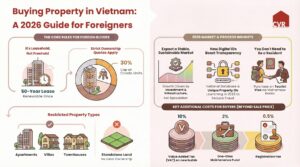
One of the biggest hurdles for international buyers is Vietnam’s land ownership system. All land in Vietnam is owned by the state, so as a foreigner, you can’t purchase freehold land outright. Instead, you’ll acquire ownership of the building or unit, such as apartments, condos, villas, or townhouses in approved commercial projects, on a 50-year leasehold basis. This starts from the date your Pink Book (certificate of ownership) is issued.
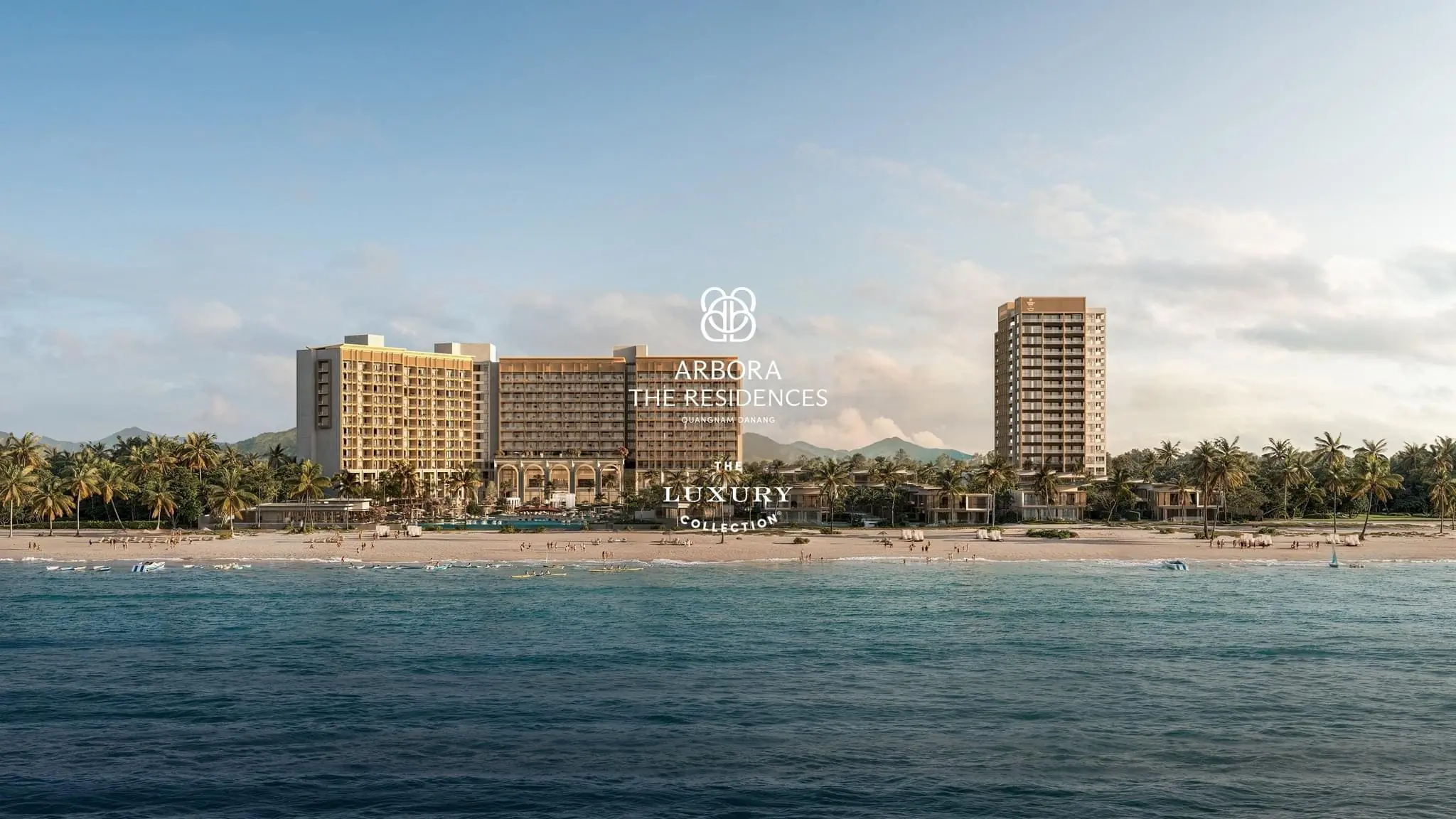
The good news? You can renew it for another 50 years, potentially totaling 100 years, subject to approval by the provincial People’s Committee. However, restrictions apply: no standalone land, agricultural properties, social housing, or areas near borders or defense zones. If you’re in Da Nang, focus on beachfront condos or urban developments that cater to expats.
2. Ownership Quotas Are Strict and Fill Up Fast
Vietnam caps foreign ownership to maintain market balance. In apartment or condo buildings, foreigners can own up to 30% of the units (or per block if there’s a shared podium). For landed properties like villas or townhouses, it’s limited to 250 houses per ward (an area with about 10,000 residents) or 10% of the project.
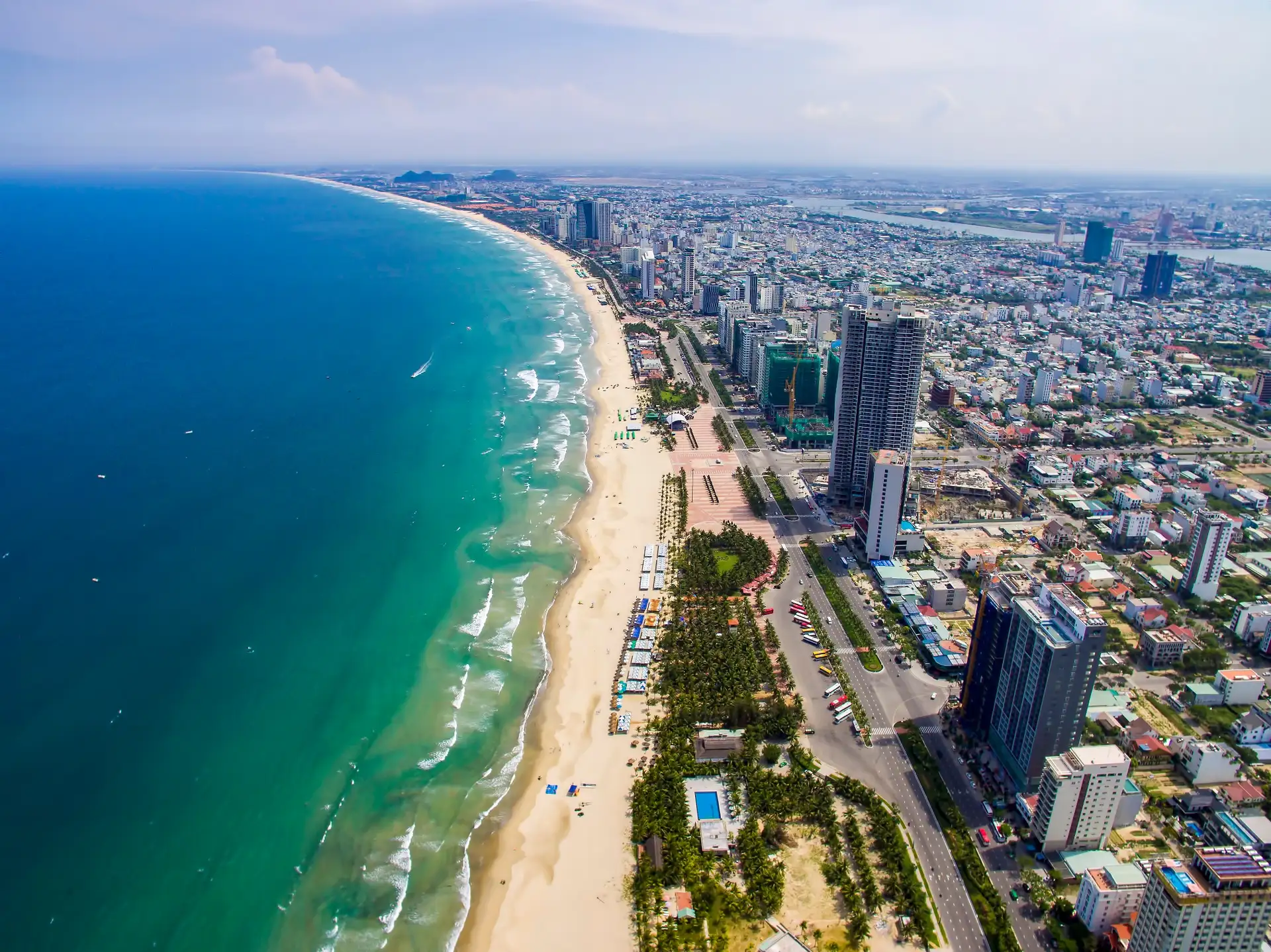
These quotas are especially competitive in hot spots like Da Nang, where tourism and infrastructure projects are driving demand. Pro tip: Always get written confirmation from the developer on remaining quota before signing anything. Running out of quota mid-process could derail your plans.
3. Legal Reforms and Digital Tools Are Boosting Transparency
Exciting changes are afoot with the Land Law 2024, effective from 2025, which streamlines approvals and emphasizes sustainable development. By March 1, 2026, just a couple of months from now, every property will get a unique digital ID in the national real estate database. This isn’t a replacement for your Pink Book but a complementary tool that makes transactions faster, reduces fraud, and improves data accuracy.
For buyers, this means easier due diligence and fewer disputes over titles or encumbrances. If you’re tech-savvy, leverage this for better market insights, especially in a dynamic area like Da Nang.
4. Expect a Stable Market with Focus on Sustainable Growth
After the ups and downs of 2024-2025, Vietnam’s real estate market in 2026 is poised for steady, sustainable growth rather than a wild boom. Prices should remain stable, with an influx of new supply, hundreds of thousands of units in commercial and affordable housing projects. Key drivers include robust FDI, major infrastructure investments (think high-speed rails and airports), and government policies prioritizing actual housing needs over speculation.
That said, challenges persist: property prices often outpace local incomes, and information can be inconsistent. Coastal regions like Da Nang are particularly appealing for lifestyle buyers, with villas and condos offering great rental yields. Keep an eye on risks, but the reforms are making things more predictable overall.
5. Budget for Costs, Taxes, and a Thorough Process
Buying property here isn’t just about the purchase price, factor in the extras. Expect 10% VAT on new builds from developers, a 0.5% registration fee (paid by the buyer), a one-time 2% contribution to the condo maintenance fund at handover, and notarization fees. Sellers typically handle 2% personal income tax on the transfer value, but buyers might need to manage it in some cases.
The process involves working with a trusted real estate agent for due diligence (verifying quotas, titles, and no liens), preparing and notarizing contracts, and registering for your Pink Book, which takes 30+ days. Payments must go through Vietnamese banks, and surprisingly, you don’t need residency, even a tourist visa works. Plan ahead to avoid surprises, and having experienced guidance makes all the difference.
Your friendly staff at CVR – Central Vietnam Realty are here to guide you every step of the way, handling the details so you can focus on finding the perfect property in Da Nang or Central Vietnam.