


SHARE:


Posted by CVR Editorial Team on June 8, 2026
Rental Yield Potential in Da Nang: Is It Still Attractive for Property Investors?
In property investment, the question becoming increasingly important is no longer “How much will prices rise?” but rather: “Can this asset generate sustainable income while maintaining long-term growth potential?” That is why rental yield has become one of the most closely watched indicators for investors.
In Da Nang, the rental story has evolved significantly over the past decade. While the market was once heavily dependent on tourism, today demand is supported by multiple drivers including tourism recovery, a growing expatriate community, remote work trends, and continued infrastructure development. This raises an important question for investors in 2026: Does Da Nang still offer attractive rental yield potential?
-
1. Rental Yield A Measure of Investment Performance.
Rental yield reflects annual rental income relative to a property’s value. However, for experienced investors, it is more than a simple calculation. A strong property investment does not rely solely on price appreciation. It also generates cash flow, supports ownership costs, and remains resilient through changing market cycles.
Rental yield is commonly viewed through two measures: gross yield, which reflects rental return before expenses, and net yield, which measures actual returns after management, maintenance, vacancy, and operating costs. This distinction matters because a property with high rental rates may not always deliver strong real performance if ownership expenses are substantial.
2. Why Da Nang Continues to Attract Rental Investors.
Tourism remains a major pillar of Da Nang’s rental market, but travel behaviour has evolved. Visitors are increasingly staying longer, combining leisure with remote work, and seeking residential-style accommodation rather than traditional hotels.
This shift is supported by a strong tourism recovery. In the first half of 2025 alone, Da Nang welcomed approximately 2.6 million international visitors, representing a 31% year-on-year increase. At the same time, the growing “workation” trend has helped short-term rentals maintain an average occupancy rate of around 64%, driven by international guests staying for weeks or even months at a time.
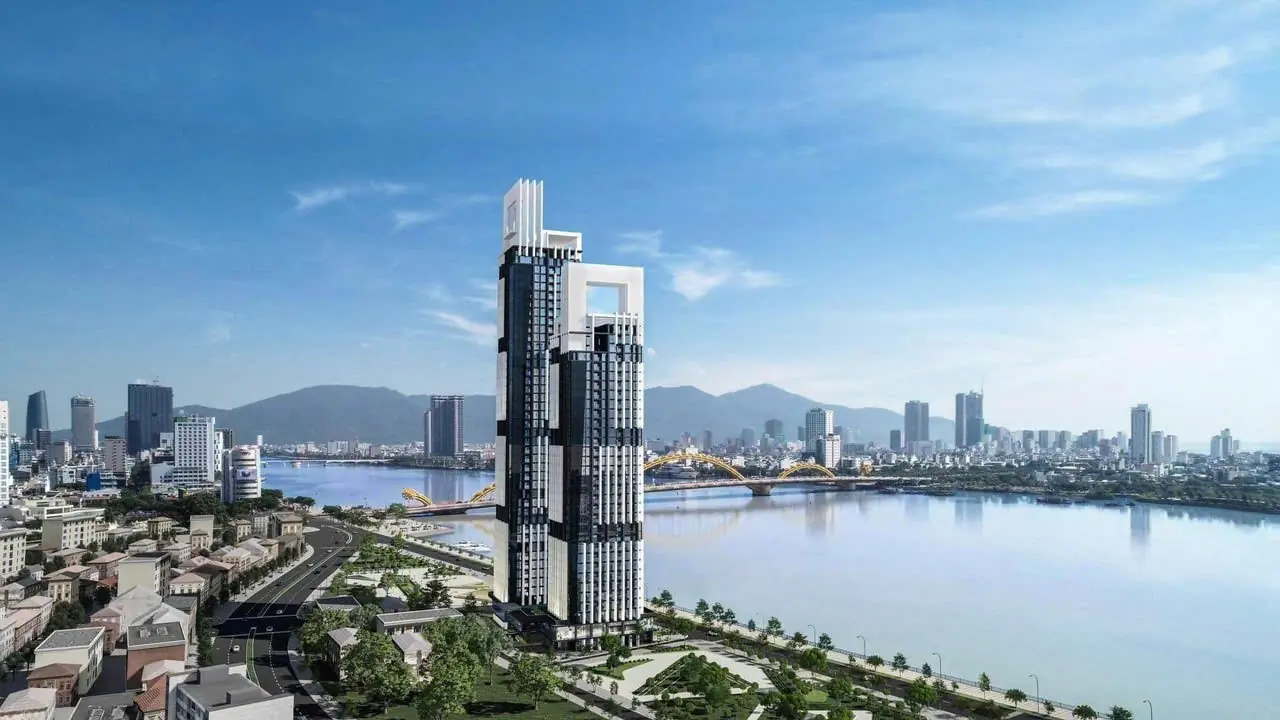
As demand shifts toward longer stays and lifestyle-oriented accommodation, professionally managed residential developments continue to benefit. High-profile upcoming projects such as Nobu Danang Residences, featuring a limited collection of 264 luxury branded units, are well positioned to capture this growing segment of the market.
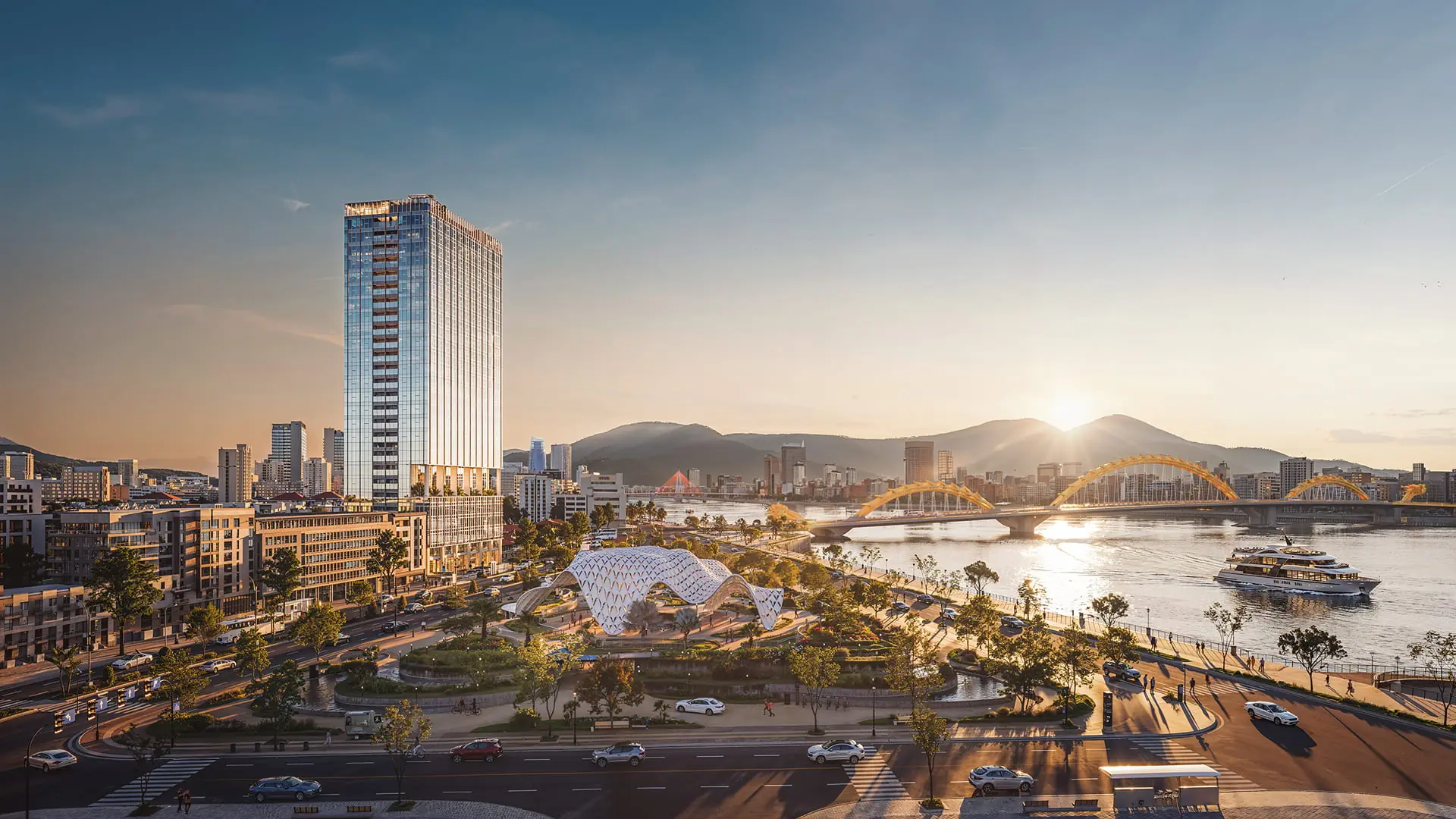
Perhaps the most important shift is that Da Nang is attracting more than tourists. The city is increasingly attracting residents. Expats, international teachers, entrepreneurs, retirees, and remote professionals are choosing Da Nang as a long-term base thanks to its beaches, relatively affordable lifestyle, improving infrastructure, and international yet accessible environment. This is where upcoming multi-use complexes like Capital Square Da Nang can generate stable, non-seasonal rental demand.
Lifestyle itself has also become economic value. Renters today are not simply choosing accommodation; they are choosing how they want to live. While many Asian cities continue becoming more expensive and congested, Da Nang maintains a balance between nature, convenience, and quality of life. This growing lifestyle appeal increasingly supports occupancy levels and rental pricing.
3. Which Property Segments Show Strong Potential?
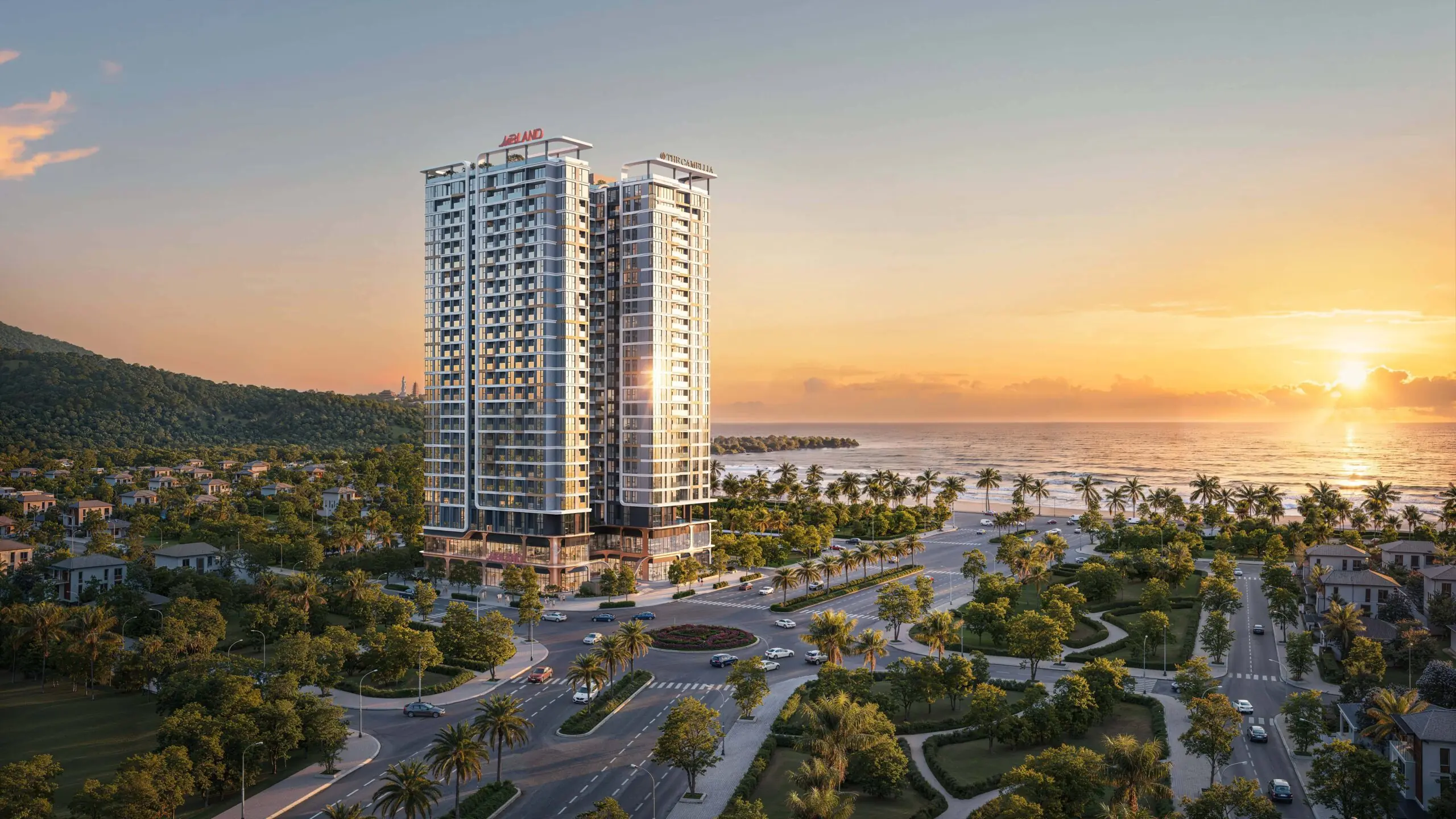
Not all properties perform equally. Following the launch of more than 8,000 new condominium units, Da Nang’s total apartment stock has reached approximately 16,000 units. This largely Grade A supply has pushed primary market prices to around VND 77–83 million per square meter.
Urban apartments often attract investors seeking stable rental income, though performance varies by location:
| Neighborhood | Average Entry (Studio) | Avg. Short-Term Daily Rate | Est. Net Rental Yield | Key Investor Draw |
| Man Thai / Son Tra | ~VND 2.2 Billion | ~VND 988,000/night | 3.6% | Coastal value, attractive pricing |
| Ngu Hanh Son / Beachside | ~VND 3.3 Billion | ~VND 1,267,000/night | 3.2%–3.4% | Premium tenant pool, strong liquidity |
| Hai Chau / City Center | ~VND 2.1 Billion | ~VND 760,000/night | 3.4%–3.6% | Stable, non-seasonal expat demand |
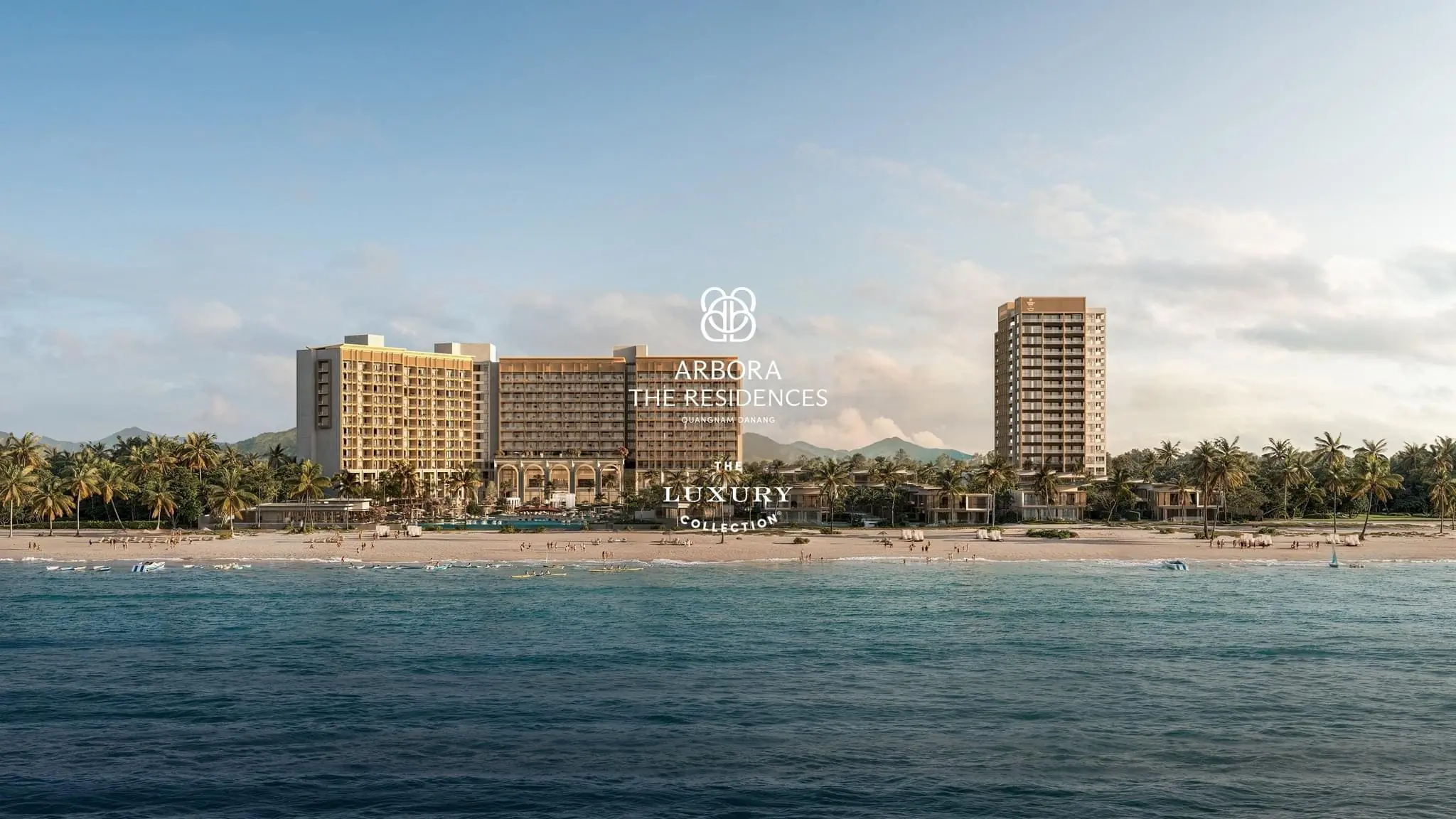
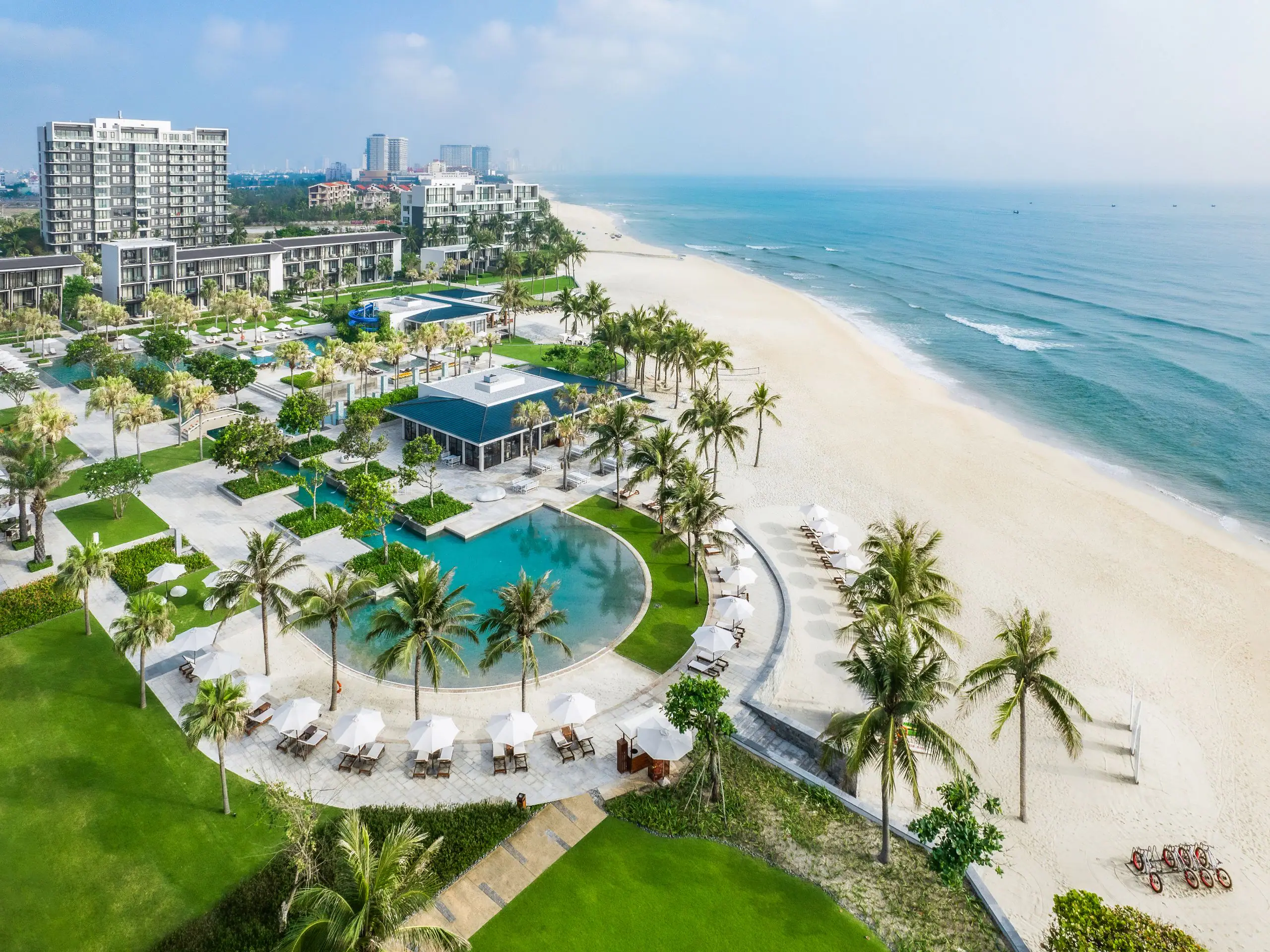
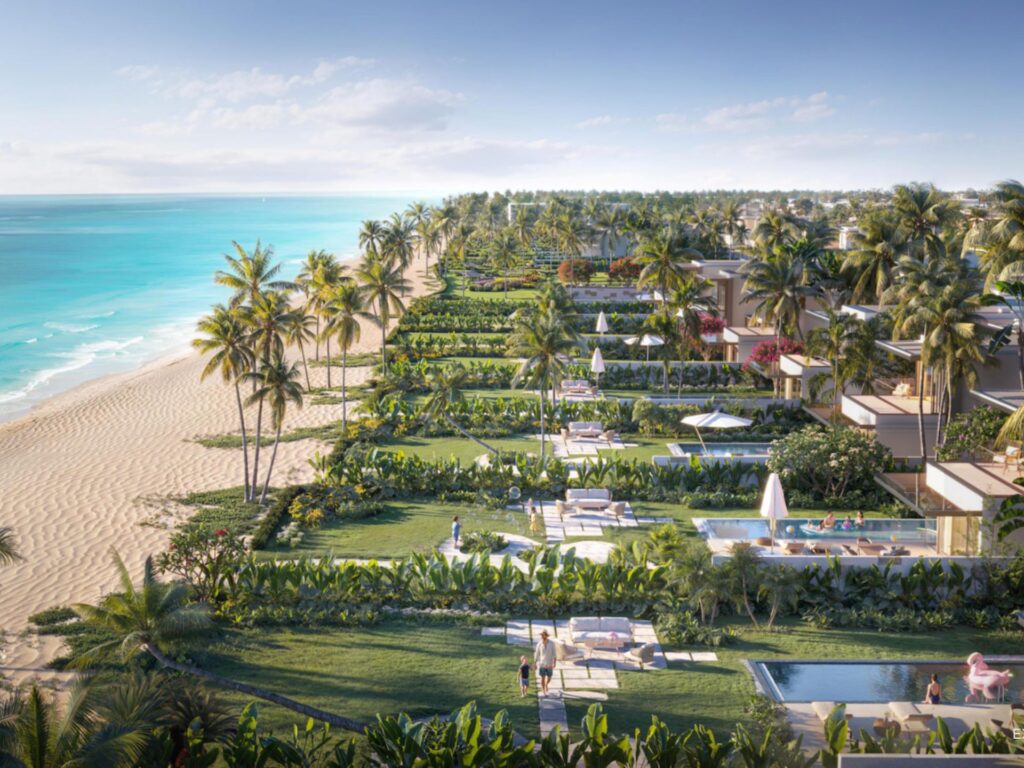
Meanwhile, luxury condominiums and beachfront villas are often driven by lifestyle value, brand prestige, and long-term appreciation rather than rental yield alone. Branded residences such as Mandarin Oriental Residences Da Nang and beachfront offerings like Hoiana Beach Villas continue to attract strong investor interest.
Rental strategy matters as much as asset type. Long-term rentals generally provide more stable income and lower turnover, while short-term rentals can generate higher nightly rates in tourism districts but require more active management. The key is selecting the strategy that best aligns with the property and investment objectives.
4. Final Thoughts.
So, is rental yield in Da Nang still attractive? For investors approaching the market strategically, the answer remains yes. Da Nang is no longer an emerging destination driven solely by tourism. It is evolving into a more mature lifestyle and investment market, where opportunities increasingly belong to those who understand location dynamics, tenant demand, and long-term trends.
At Central Vietnam Realty (CVR), we help investors evaluate opportunities and navigate Da Nang’s changing rental landscape with practical insight and local market expertise. Explore our curated overview of Prominent Projects in Da Nang driving current investor interest.