

SHARE:


Posted by CVR Editorial Team on December 5, 2025
Week 48/2025 – Central Vietnam Real Estate News Summary
Week 48/2025 – Central Vietnam Real Estate News Summary
In this weekly or sometimes bi-weekly news flash – CVR: Central Vietnam Realty will provide a choice of articles from mainly Vietnamese media sources related to the real estate market in Vietnam.
We will be focusing on issues related to Da Nang and Hoi An, while also looking at national news and their possible impact on Central Vietnam’s property market.
You will find a summary, a link to the source as well as CVR’s take on the article.
We believe that local knowledge is the key to making the best possible decision and that’s what we offer to all our clients.
“CVR: Western Management – Local Knowledge”
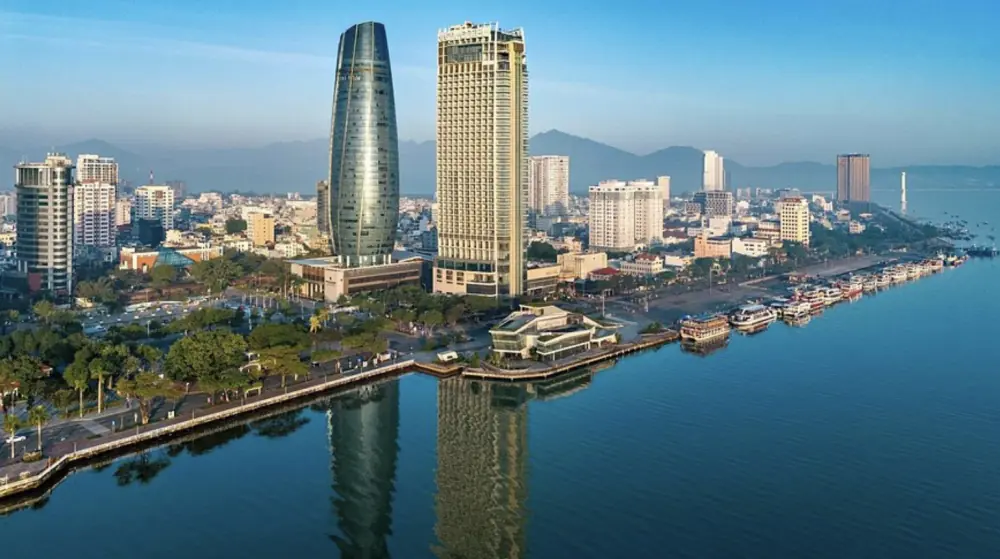
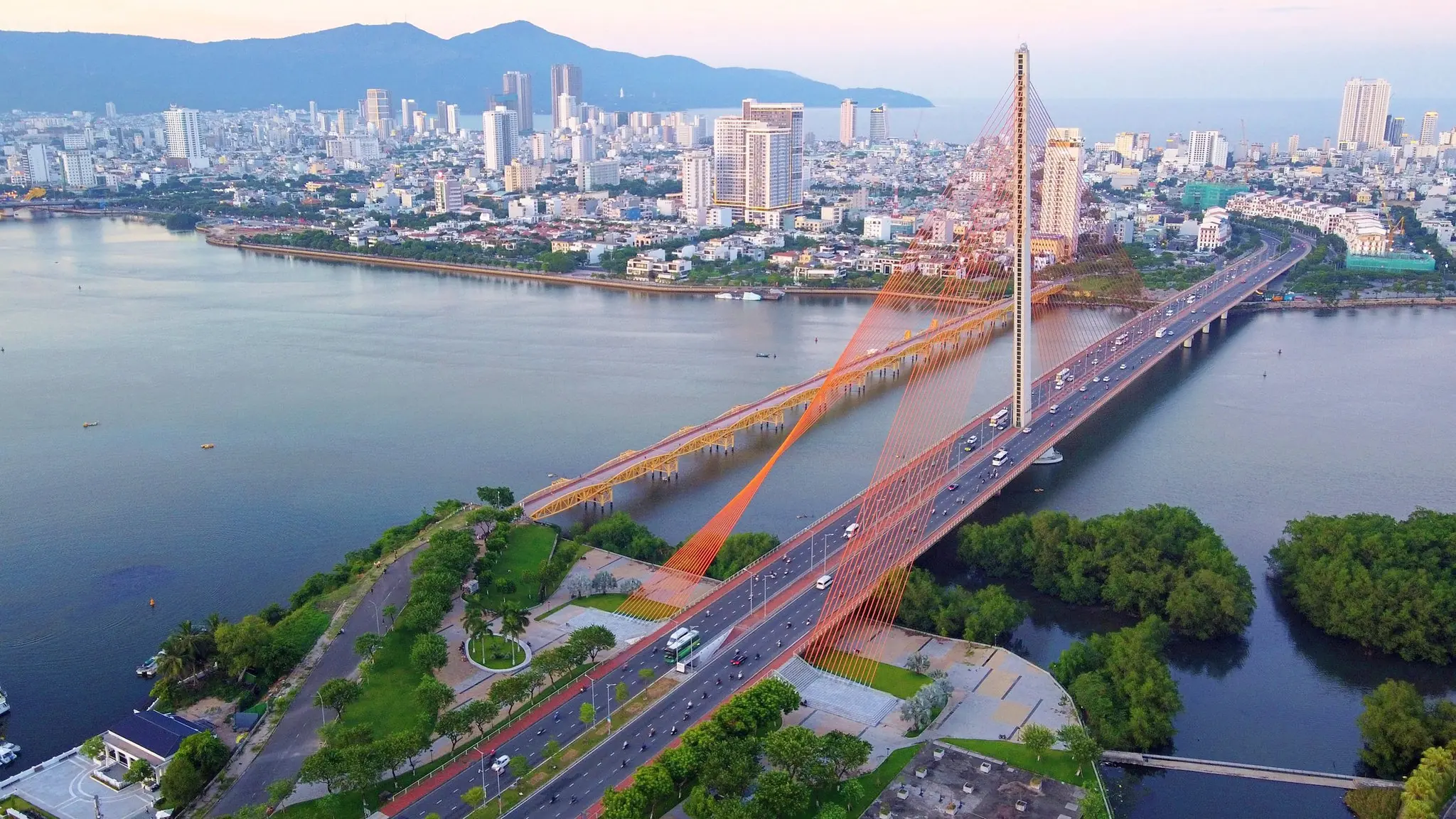
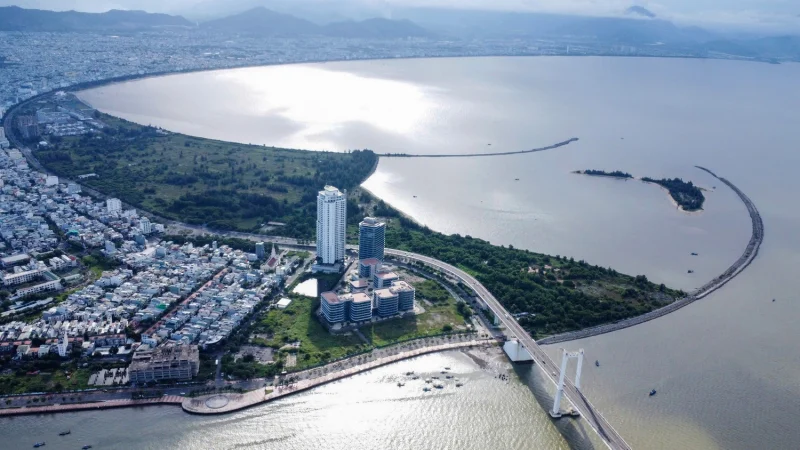
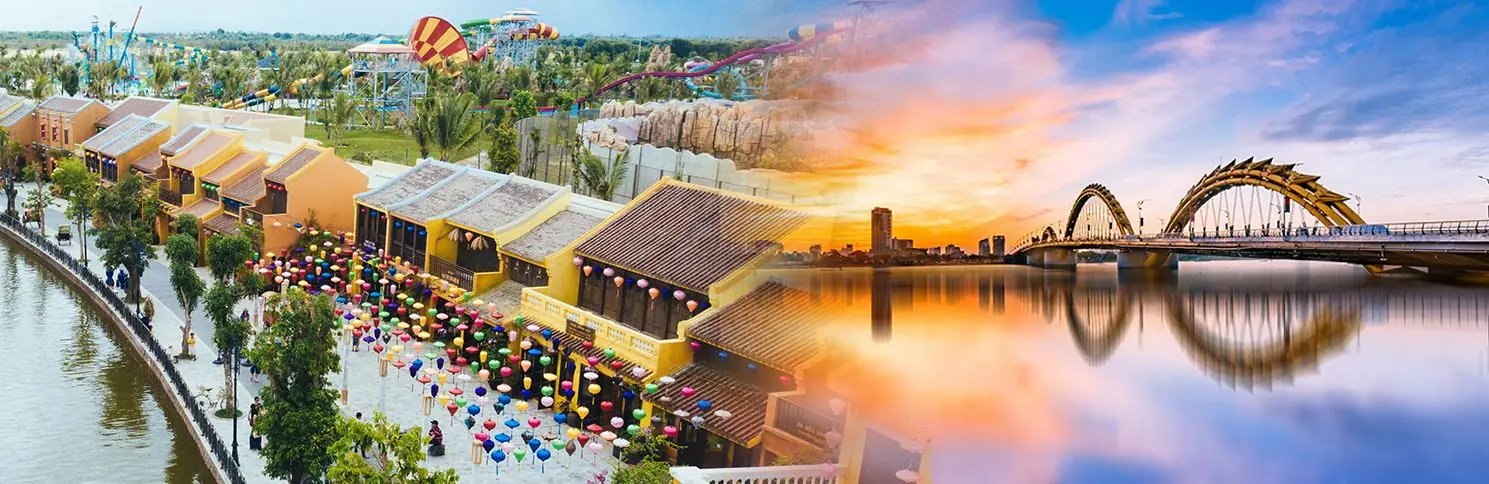
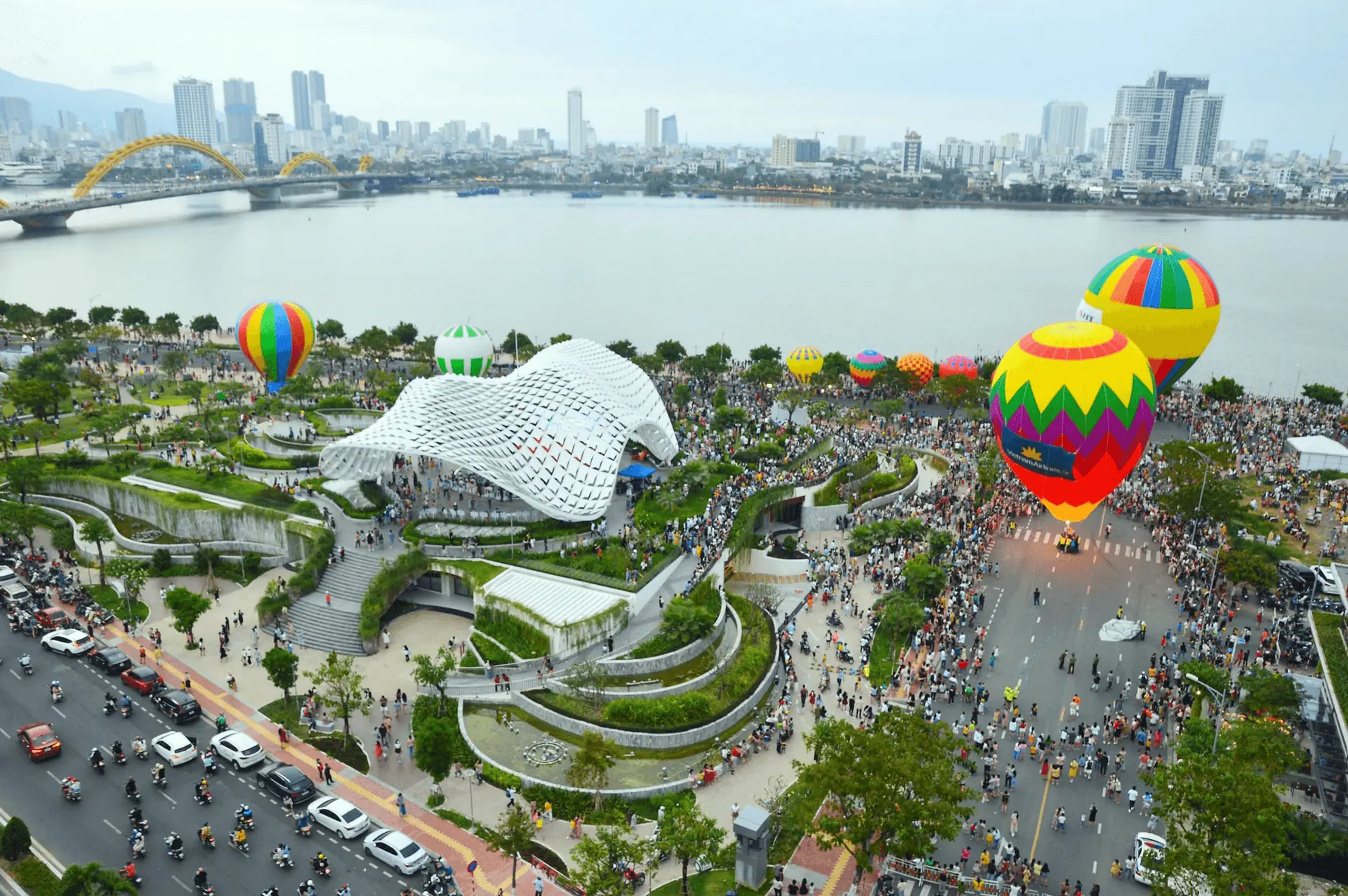
1. Da Nang A Promising Land for Real Estate Investors.
-
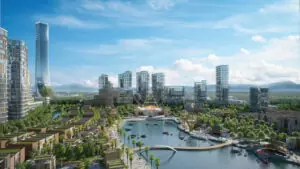
Da Nang is emerging as one of Vietnam’s most attractive destinations for both residents and investors, drawing 15,000–16,000 new arrivals each year and ranking third nationwide in immigration rate. Its appeal stems from rare advantages: a strategic East–West economic corridor location, a harmonious mix of mountains, rivers, forests, and Vietnam’s longest coastline, plus a mild climate and clean environment. Strong social policies, modern multimodal infrastructure, and a vast newly expanded land reserve further reinforce Da Nang’s long-term growth potential.
-
Experts consider Da Nang’s real estate market highly promising thanks to solid fundamentals, reasonable prices, and significant room for expansion. Upcoming infrastructure catalysts—Lien Chieu Port, the international financial center, Vietnam’s first free-trade zone, airport expansion, and major tourism projects—are set to accelerate growth. Large-scale urban–entertainment complexes like the 80,000-billion-VND Da Nang Downtown project will elevate living standards, attract global talent, strengthen the night-time economy, and position Da Nang for a sustainable and competitive property boom.
Source: baomoi.com
2. Vietnam Enters an Unprecedented Phase for Its Industrial Sector.
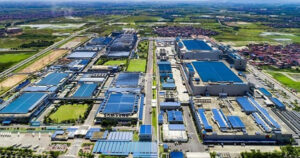
Vietnam is entering a new industrial growth phase as macro indicators, rising FDI, and accelerating infrastructure investment signal a shift from quantity-driven expansion to higher-value, large-scale development. In the first nine months of 2025, disbursed FDI reached USD 18.8 billion, with nearly 60% flowing into manufacturing—especially electronics, technology equipment, and semiconductors. Public investment of over USD 16.6 billion has simultaneously boosted transport, logistics, and seaport infrastructure, strengthening Vietnam’s competitiveness. According to Savills’ John Michael Campbell, domestic capital is also returning with greater selectivity, supported by improved credit signals, corporate bonds, and clearer legal frameworks.
Vietnam’s industrial landscape is being reshaped by the expansion of key logistics hubs such as Cai Mep–Thi Vai Port, regional expressways, and the rise of strategic sectors including advanced electronics, industrial equipment, and data centers. Sustainability is becoming mandatory as eco-industrial parks demonstrate strong operational and cost efficiencies. Campbell highlights 2026 as a pivotal year, marking Vietnam’s transition from cost-based growth to system-based competitiveness—powered by synchronized infrastructure, energy, and digital capabilities to meet increasingly demanding manufacturing standards.
Source: cafef.vn
3. The Appeal of the Lien Chieu Port Project.
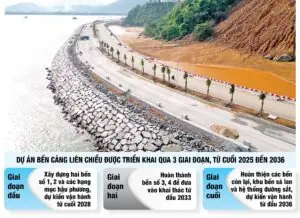
Three major global port operators have submitted bids for the VND 45,000-billion Lien Chieu Port project in Da Nang, reflecting its strong international appeal. According to the city’s Infrastructure Project Management Board, the bidders include leading consortiums from the Netherlands, India, Luxembourg, and Vietnam, all with extensive experience in global port operations and logistics. Their proposals cover the development of eight modern container berths, green-port infrastructure, and synchronized support facilities across 172.6 hectares. With investor selection now in its final stage, bidding is expected to open at the end of December, paving the way for groundbreaking in early 2026.
Lien Chieu Port is master-planned on 450 hectares with two components: publicly funded shared infrastructure and privately funded berths. The container port alone features 2,750 meters of quay length, capacity for vessels up to 200,000 DWT, multimodal logistics facilities, and a throughput of up to 5.8 million TEU annually. Supporting areas include bulk cargo terminals, LNG/LPG berths, oil terminals, and advanced road and maritime access routes. Shared infrastructure—breakwaters, dredging, and road connections—has reached 95% completion, with Da Nang aiming to finish all core works by the end of this year to activate a new logistics ecosystem for the central region.
Source: baodanang.vn
4. Da Nang Proposes Urban Railway Funded by PPP and ODA Loans.
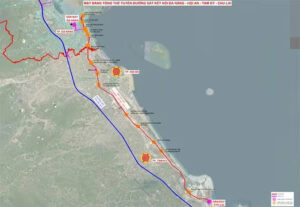
The Da Nang People’s Committee has submitted a proposal to the Standing Committee of the City Party Committee to approve the investment of urban railway lines using the PPP model combined with ODA loans. The city has halted the selection of consultants for preparing a pre-feasibility study using the state budget and assigned the Department of Finance to propose investor-selection plans. Two major corporations — THACO and Deo Ca Group — have expressed interest in developing the Da Nang–Hoi An metro line under the TOD model. The city is expected to authorize investors to prepare the pre-feasibility study in December 2025.
Investors will complete the study within three months and prepare the TOD-oriented urban planning along the Da Nang–Chu Lai corridor before May 2026. Given the project’s large scale, the city proposes prioritizing the Da Nang–Hoi An–Chu Lai section using PPP and ODA funding. The People’s Committee also recommends reviewing the 2025 Railway Law and Resolution 188/2025/QH15 on special mechanisms for major cities to apply similar policies to Da Nang’s urban railway projects.
Source: baomoi.com
5. Vietnam Is Entering a Completely New Industrial Growth Cycle.
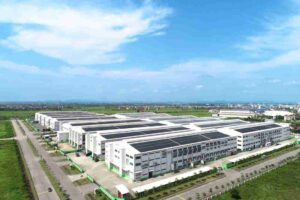
Macroeconomic signals and FDI inflows indicate that Vietnam’s industrial sector has evolved beyond its low-cost labor appeal to compete on capacity and high standards. According to John Michael Campbell of Savills Vietnam, 2026 will be a pivotal year for this transformation. In the first nine months of 2025, disbursed FDI reached $18.8 billion, an 8.5% increase, with capital shifting heavily toward high-value sectors like electronics and semiconductors. Infrastructure remains a key catalyst, with significant investments in transport and ports like Cai Mep-Thi Vai enhancing logistics. Furthermore, “green” industrialization and ESG compliance have become mandatory requirements rather than optional advantages.
Source: cafeland.vn
-
-
As always, CVR is at your service and happy to provide help anyways we can!
Contact Us today to find the real estate investment in Da Nang that is right for You.
-