


SHARE:


Posted by CVR Editorial Team on April 24, 2026
5 Mistakes Foreign Investors Make When Buying Real Estate in Vietnam
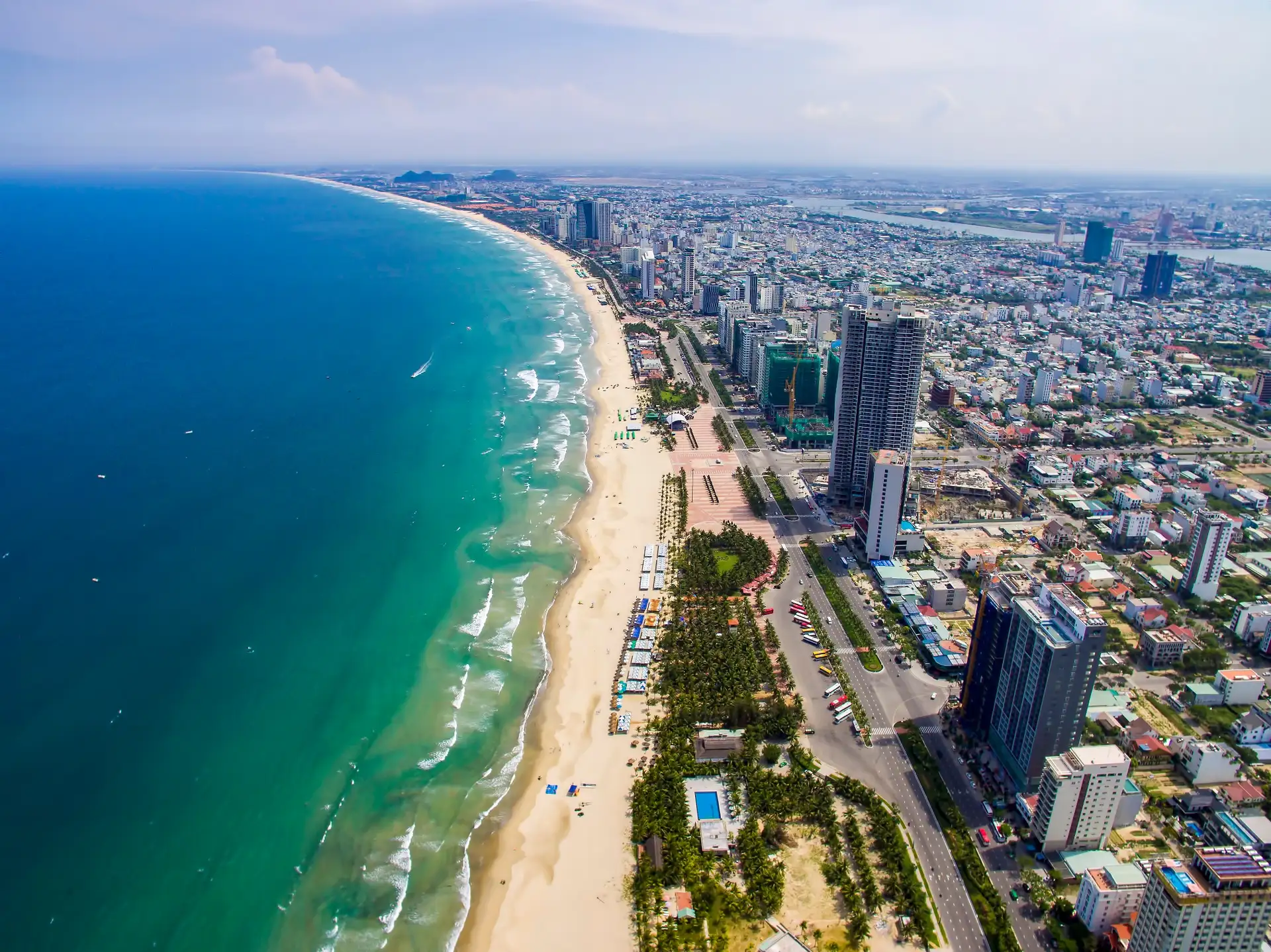
In recent years, Vietnam has emerged as one of the most attractive real estate markets in Southeast Asia for foreign investors. Strong economic growth, a rapidly expanding middle class, and continuous infrastructure development have created a solid foundation for long-term property investment. Cities like Da Nang, in particular, are gaining attention for their balance of lifestyle, affordability, and growth potential. With a thriving tourism sector and increasing international interest, the city offers compelling opportunities for both rental income and capital appreciation. However, as Austin Weyers, Deputy Director at CVR, points out: ‘While the growth is undeniable, the complexity of the legal landscape is where most foreign investors stumble.’ many people fall into common Vietnam real estate mistakes due to limited local knowledge. Understanding these common pitfalls is essential to protecting your capital and maximizing returns.
Navigating the legalities of a new market can be the most daunting part of the journey. For a step-by-step breakdown of the 2024–2026 legal landscape, including quotas and banking requirements, watch our full procedural guide below:
Buying Your First Property In Vietnam As A Foreigner
1. Misunderstanding the Legal Framework for Foreign Ownership.
One of the most critical aspects of investing in Vietnam is understanding the legal framework. While the government allows foreign ownership, it is subject to specific conditions and limitations. Foreign buyers are typically granted leasehold ownership of around 50 years, along with restrictions on the number of units that can be owned within a single project. In addition, not all property types are eligible for foreign ownership.
Without a clear understanding of these regulations, investors may face delays, legal complications, or even failed transactions. Working with experienced local professionals who understand the legal landscape is essential to ensure a smooth and compliant investment process.
-
One of the most frequent questions we receive is about the ‘Vietnamese Pink Book.‘ – Certificate of Land Use Rights and Ownership of Houses and Other Assets Attached to Land. Understanding what this document represents and how it secures your rights as a foreigner is foundational to your investment.
2. Focusing on Price Instead of Long-Term Value.
Many investors are naturally drawn to lower-priced properties, assuming they represent better opportunities. In reality, price alone is rarely a reliable indicator of investment quality. The true value of a property lies in factors such as location, infrastructure development, accessibility, tourism demand, and surrounding amenities. A property in a prime or high-growth area is far more likely to generate stable rental income and long-term appreciation. Choosing based on price rather than potential can lead to underperforming assets that struggle to attract tenants or buyers in the future.
-
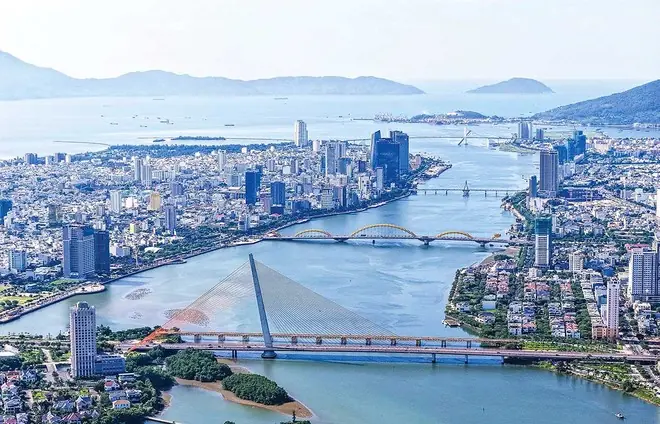
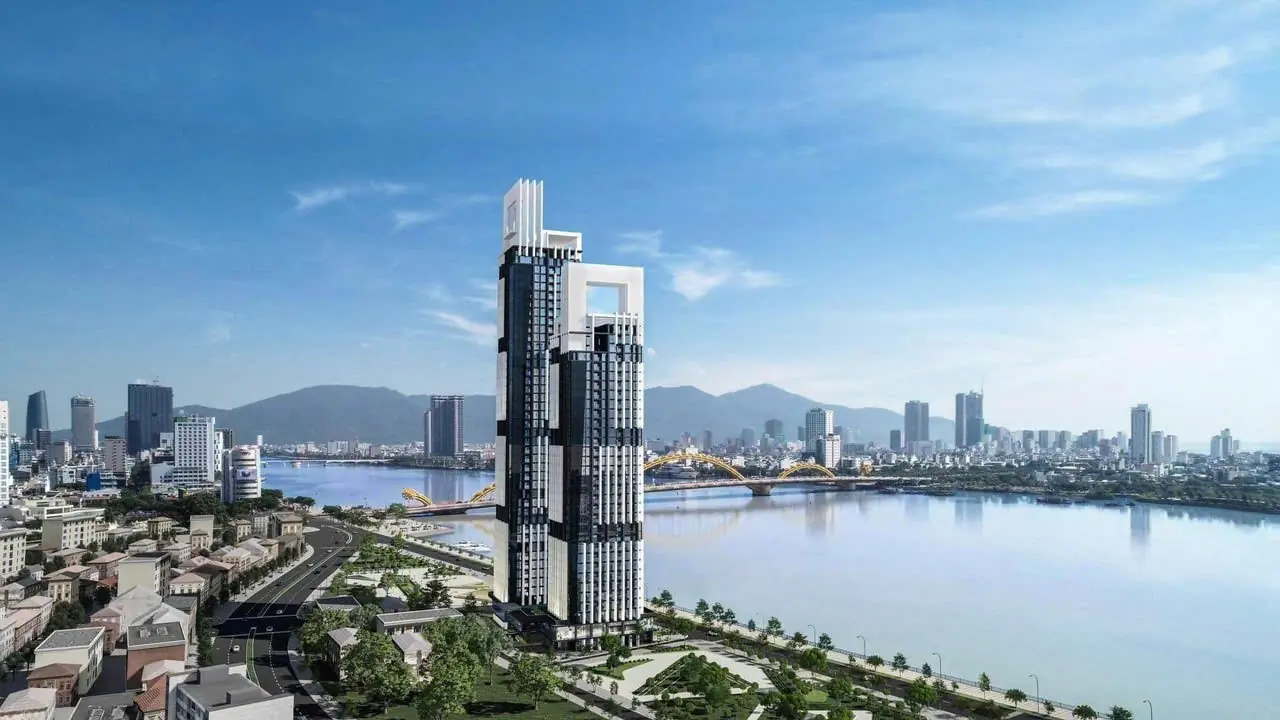
Da Nang is no longer just a coastal retreat; it is officially Vietnam’s innovation hub. With the launch of the International Financial Center, the city is creating a dual-city model that attracts global technology and finance capital.
-
Vietnam’s International Financial Center & Da Nang Innovation Hub
3. Underestimating the Importance of Developer Credibility.
In Vietnam, the developer plays a decisive role in the success of a real estate investment. Issues such as construction delays, legal complications, or difficulties in obtaining ownership certificates are often linked to the developer’s capability and reliability. Investors who fail to properly evaluate the developer risk facing significant challenges that can affect both short-term returns and long-term asset value. Conducting thorough due diligence-reviewing past projects, financial strength, construction quality, and delivery track record-is essential before making any commitment.
4. Miscalculating the True Cost of Ownership.
Another common mistake is underestimating the total cost associated with property ownership. Many investors focus solely on the purchase price without accounting for additional expenses. These may include taxes, legal fees, maintenance costs, property management fees, furnishing expenses, and potential vacancy periods. When not properly calculated, these costs can significantly reduce actual returns. A well-informed investment decision requires a comprehensive financial plan that reflects both upfront and ongoing expenses.
5. Investing Without a Clear Exit Strategy.
Successful investors always think beyond the purchase they plan for the exit. Without a clear strategy, investors may face difficulties when trying to resell the property or adapt to changing market conditions. Liquidity can vary depending on the segment, location, and timing within the market cycle. Whether the goal is rental income, capital appreciation, or portfolio diversification, defining an exit strategy from the beginning helps ensure flexibility and maximizes long-term profitability.
Vietnam continues to offer strong potential for foreign real estate investors, particularly in emerging cities like Da Nang. However, success in this market requires more than identifying opportunities it demands a clear understanding of local regulations, careful risk management, and a well structured investment strategy. By avoiding these common mistakes, investors can better safeguard their capital and position themselves for sustainable growth in one of Southeast Asia’s most dynamic property markets.

If you would like to learn more about the market, please contact CVR for detailed consultation.